How to Start an Export and Import Business – Complete Guide
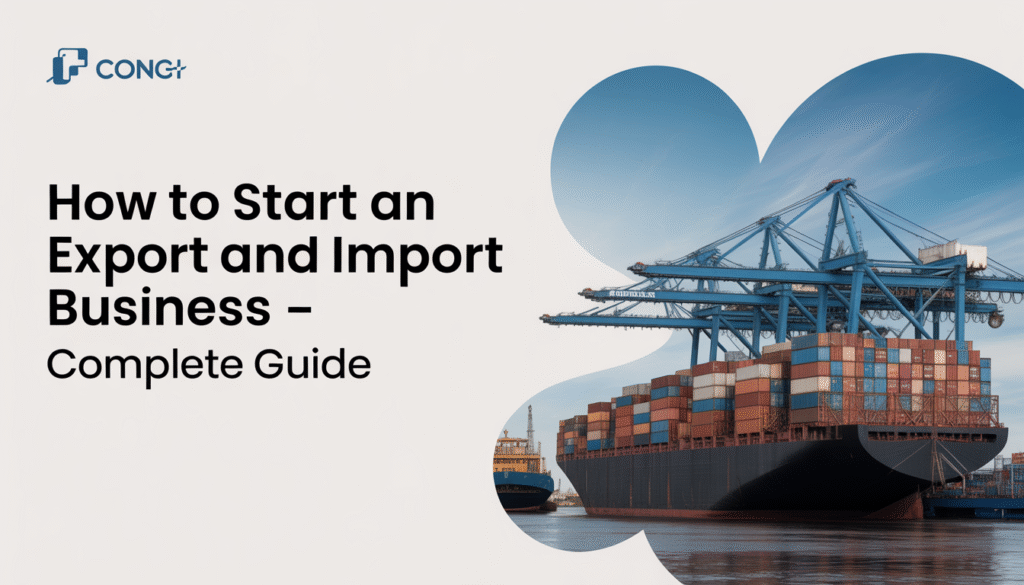
Starting an export and import business can be a profitable opportunity in today’s global market. With international trade expanding rapidly, entrepreneurs can connect local products with international buyers and suppliers. If you want to start an EXIM (Export-Import) business, understanding the process, legal requirements, and market strategy is essential.
What is an Export and Import Business?
An export business involves selling goods or services from your country to other countries, while an import business involves purchasing products from foreign countries to sell in your local market. These businesses help create international trade and open new market opportunities for companies and individuals.
Step 1: Research the Market
The first step to starting an export-import business is conducting proper market research. Identify products that have high demand internationally or locally. Study your competitors, pricing, shipping costs, and target countries. Choosing the right product and market is the key to long-term success.
Step 2: Create a Business Plan
A clear business plan helps you understand your goals, investment, logistics, and marketing strategies. Your plan should include:
- Product selection
- Target countries or markets
- Budget and investment
- Shipping and logistics strategy
- Marketing and customer acquisition plan
Step 3: Register Your Business
To legally operate an export-import business, you must register your company. Choose a business structure such as:
- Sole Proprietorship
- Partnership
- Private Limited Company
- LLP (Limited Liability Partnership)
Register your business name and obtain all necessary licenses required for international trade.
Step 4: Obtain Import Export Code (IEC)
The Import Export Code (IEC) is a mandatory license for anyone who wants to start an export or import business. This code is issued by the Directorate General of Foreign Trade (DGFT) and is required for customs clearance and international payments.
Step 5: Open a Business Bank Account
You need a current bank account to handle international payments. Most exporters and importers receive payments through international banking channels such as wire transfers or other global payment systems.
Step 6: Find International Buyers or Suppliers
Once your legal setup is complete, start searching for reliable buyers or suppliers. You can use:
- International B2B platforms
- Trade fairs and exhibitions
- Export promotion councils
- Online marketplaces
Building strong relationships with international partners helps grow your export-import business.
Step 7: Arrange Shipping and Logistics
Shipping is an important part of international trade. You will need to work with freight forwarders, logistics companies, and customs agents to ensure safe and timely delivery of goods.
Step 8: Understand Documentation
Export-import businesses require several important documents, such as:
- Commercial Invoice
- Packing List
- Bill of Lading
- Certificate of Origin
- Insurance Certificate
Proper documentation ensures smooth customs clearance and prevents delays.
Step 9: Promote Your Export Import Business
To grow your business, create a professional website, optimize it with SEO, and promote your services through digital marketing, social media, and international business directories.
Conclusion
Starting an export and import business can open doors to global trade opportunities. With proper planning, market research, and legal compliance, you can build a successful EXIM business. Focus on quality products, strong partnerships, and efficient logistics to expand your business internationally.
If anyone wants to learn more or wants to start an Export Import business, you can contact us on email: ajay.p.rao1973@gmail.com or call / WhatsApp on +91 9145463587.