Best Countries to Export Rice – Complete Guide for Exporters
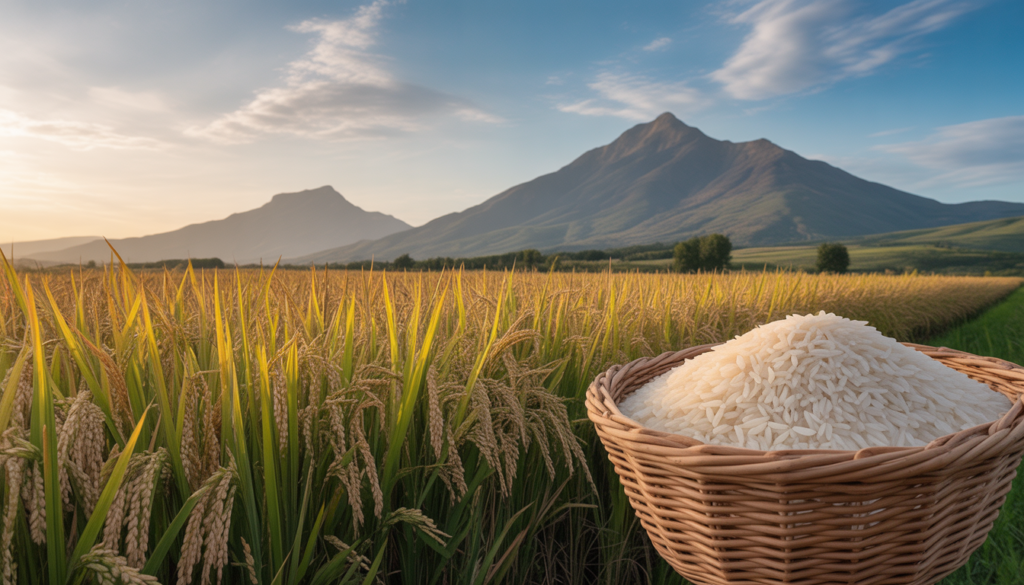
Rice is one of the most widely consumed staple foods in the world. More than half of the global population depends on rice as a primary food source. Because of this high demand, many countries import large quantities of rice every year to meet their domestic consumption needs. For exporters, rice trading offers a highly profitable opportunity, especially for countries with strong agricultural production like India.
India is one of the largest rice producers and exporters globally, supplying both basmati and non-basmati rice to many countries. Indian rice is well known for its quality, aroma, and competitive pricing. However, success in the rice export business depends largely on choosing the right international markets. Some countries import rice in bulk due to limited local production, population growth, or government food security programs. Understanding these markets can help exporters grow their business and increase profits.
In this article, we will explore the best countries where exporters can successfully export rice and build long-term trade relationships.
1. Philippines – One of the Largest Rice Importers
The Philippines is one of the biggest rice-importing countries in the world. Rice is a staple food for the Filipino population, and the country consumes a huge amount of rice every year. Due to limited agricultural land and natural disasters such as typhoons, domestic rice production often cannot meet the country’s demand.
Because of this supply gap, the Philippines imports large quantities of rice from countries like India, Thailand, and Vietnam. Indian exporters can find good opportunities in supplying non-basmati rice and long-grain rice to this market. The Philippine government also regulates rice imports through specific programs and licenses, so exporters who understand the regulatory system can benefit greatly.
2. Indonesia – A Growing Market for Rice Imports
Another major rice-importing country is Indonesia. Indonesia has a very large population, and rice is the most important food item in the country. Although Indonesia produces rice domestically, production sometimes falls short due to climate conditions, population growth, and increasing consumption.
The government of Indonesia occasionally imports rice in large volumes to stabilize domestic prices and maintain food security. This creates opportunities for international exporters. Exporters from India can supply various rice varieties such as white rice and non-basmati rice to Indonesian buyers.
3. Saudi Arabia – High Demand for Basmati Rice
The Middle East is one of the most important markets for rice exporters, and Saudi Arabia is among the top rice importers in the region. Rice is a major part of traditional Saudi cuisine, especially dishes such as kabsa and mandi, which require high-quality basmati rice.
Saudi Arabia imports large volumes of basmati rice from India every year. Indian basmati rice is preferred because of its long grains, rich aroma, and superior taste. Exporters who focus on premium quality packaging and branding can build strong business relationships in this market.
4. United Arab Emirates – A Major Trading Hub
The United Arab Emirates is not only a major rice importer but also a global re-export hub. Cities like Dubai import rice from different countries and then export it to other regions such as Africa and the Middle East.
Because of its strategic location and advanced logistics infrastructure, the UAE is an excellent entry point for exporters looking to expand their global trade network. Many Indian exporters use Dubai as a gateway market to access international buyers.
The UAE has a large expatriate population, including people from South Asia, which increases the demand for basmati rice and other varieties of rice.
5. Iraq – Government Procurement Opportunities
Iraq is another important destination for rice exporters. The Iraqi government frequently imports rice through large procurement programs to ensure food availability for its citizens.
Exporters who participate in government tenders can secure bulk contracts. Iraq imports both basmati and non-basmati rice, making it a flexible market for different rice varieties.
However, exporters must ensure they meet strict quality standards and documentation requirements when dealing with government procurement agencies.
6. Iran – Strong Demand for Indian Basmati Rice
Iran is well known for its love of aromatic basmati rice. Iranian cuisine often uses premium long-grain rice varieties, which makes Indian basmati rice highly popular in the country.
Although trade policies and sanctions can sometimes affect the rice trade with Iran, the demand for high-quality rice remains strong. Exporters who can navigate payment and trade regulations can benefit from this valuable market.
7. West African Countries – Large Volume Market
African countries offer massive opportunities for rice exporters. Many African nations depend heavily on imported rice because local production cannot meet the needs of their growing populations.
Countries such as Senegal, Benin, and Ivory Coast import large quantities of rice every year.
These markets usually demand parboiled rice and non-basmati rice in bulk quantities. Exporters who can supply competitively priced rice with reliable shipping can build strong long-term trade partnerships in these regions.
Africa is considered one of the fastest-growing rice import markets in the world, making it a very attractive destination for exporters.
8. United States – Premium Rice Market
The United States is also an important market for rice exporters. Although the United States produces rice domestically, there is still demand for imported aromatic rice varieties such as basmati.
The demand mainly comes from Asian communities, restaurants, and health-conscious consumers who prefer high-quality rice. Exporters who meet strict food safety and packaging standards can successfully enter this premium market.
9. United Kingdom – Growing Demand for Basmati Rice
The United Kingdom is another major market for basmati rice. The country has a large South Asian population, which increases the demand for traditional rice varieties used in Indian and Pakistani cuisine.
Restaurants, supermarkets, and food distributors in the UK import large quantities of basmati rice from India every year. Exporters who build relationships with wholesalers and distributors can find stable demand in this market.
Tips for Successful Rice Export Business
If you want to succeed in the rice export business, consider the following important tips:
1. Choose the Right Market
Research the demand, import policies, and consumer preferences of different countries before exporting.
2. Maintain High Quality
Quality plays a major role in international trade. Ensure proper grading, cleaning, and packaging of rice.
3. Obtain Necessary Certifications
Exporters should obtain certifications such as phytosanitary certificates, quality inspection certificates, and export licenses.
4. Competitive Pricing
Price competitiveness is crucial when competing with exporters from other countries like Thailand and Vietnam.
5. Build Strong Buyer Relationships
Long-term relationships with importers and distributors help create stable and repeat business.
Conclusion
Rice export is a highly profitable international business, especially for exporters from countries like India that produce high-quality rice. Markets in Southeast Asia, the Middle East, Africa, Europe, and North America offer significant opportunities for exporters.
Countries such as the Philippines, Indonesia, Saudi Arabia, the United Arab Emirates, Iraq, Iran, Senegal, Benin, Ivory Coast, the United States, and the United Kingdom are among the best destinations for rice exports. By focusing on quality, proper documentation, competitive pricing, and reliable logistics, exporters can build a successful and sustainable rice export business in the global market.