The Bahamas: Paradise Beyond the Blue Waters – Beauty, Culture, and Challenges
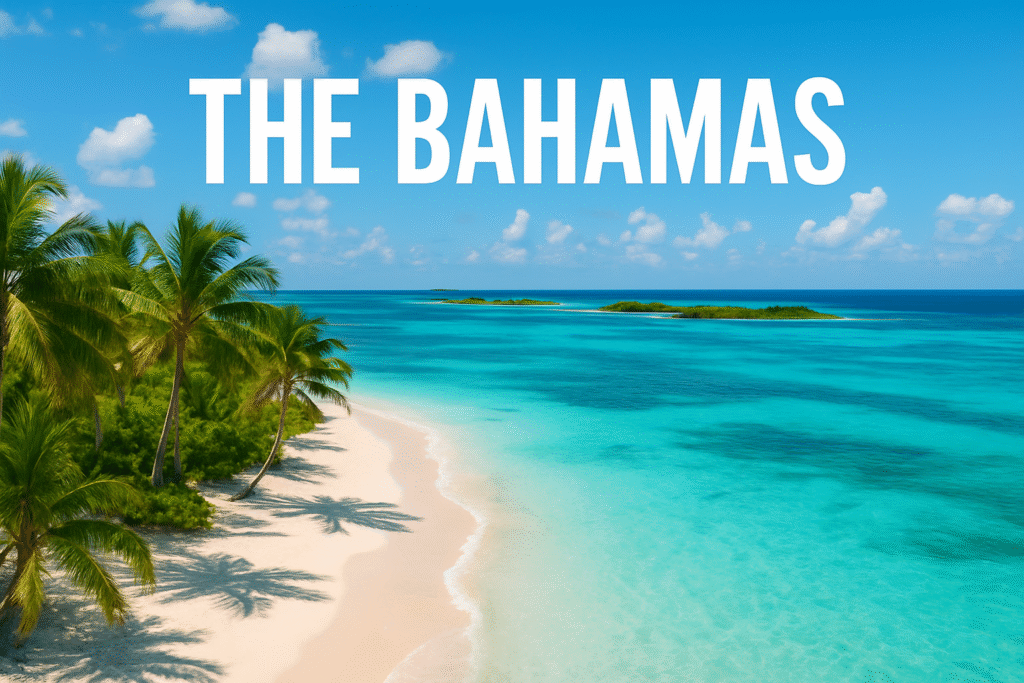
The Bahamas, a stunning island nation in the Atlantic Ocean, is one of the world’s most popular tourist destinations. Known for its turquoise waters, white sandy beaches, and vibrant culture, the Bahamas is truly a slice of paradise on Earth. But beyond its postcard-perfect beauty, the country also faces several challenges that shape its journey toward sustainable growth and resilience.
The Bahamas is made up of around 700 islands and over 2,000 cays, though only about 30 are inhabited. Some of the most famous islands include New Providence (home to the capital city, Nassau), Grand Bahama, Abaco Islands, Exuma, and Eleuthera. Each island has its own unique charm — from the luxurious resorts and bustling nightlife of Nassau to the serene, untouched beauty of the Out Islands. The warm hospitality of Bahamians, their music, and colorful festivals like Junkanoo make the country even more vibrant and unforgettable.
Economically, the Bahamas relies heavily on tourism and offshore banking, which together account for most of its GDP. The country’s official currency is the Bahamian Dollar (BSD), which is pegged to the U.S. Dollar (1 BSD = 1 USD), making travel and trade with the United States convenient and stable.
However, beneath its tropical beauty lie serious challenges. The Bahamas is highly vulnerable to climate change and hurricanes, which frequently cause devastation to infrastructure and livelihoods. Hurricane Dorian in 2019, for example, left lasting scars on the islands of Abaco and Grand Bahama. The nation also struggles with economic inequality, high living costs, and dependence on tourism, which makes it vulnerable to global economic shifts — as seen during the COVID-19 pandemic.
Despite these challenges, the spirit of the Bahamian people shines through. Their resilience, creativity, and strong community values continue to guide the nation toward a more sustainable and hopeful future.