Discovering Algeria: Beauty, Culture, and Challenges

Algeria, the largest country in Africa, is a land of contrasts — from the golden dunes of the Sahara Desert to the blue waves of the Mediterranean Sea. Located in North Africa, Algeria’s rich history, diverse landscapes, and warm-hearted people make it a fascinating destination for travelers and researchers alike.
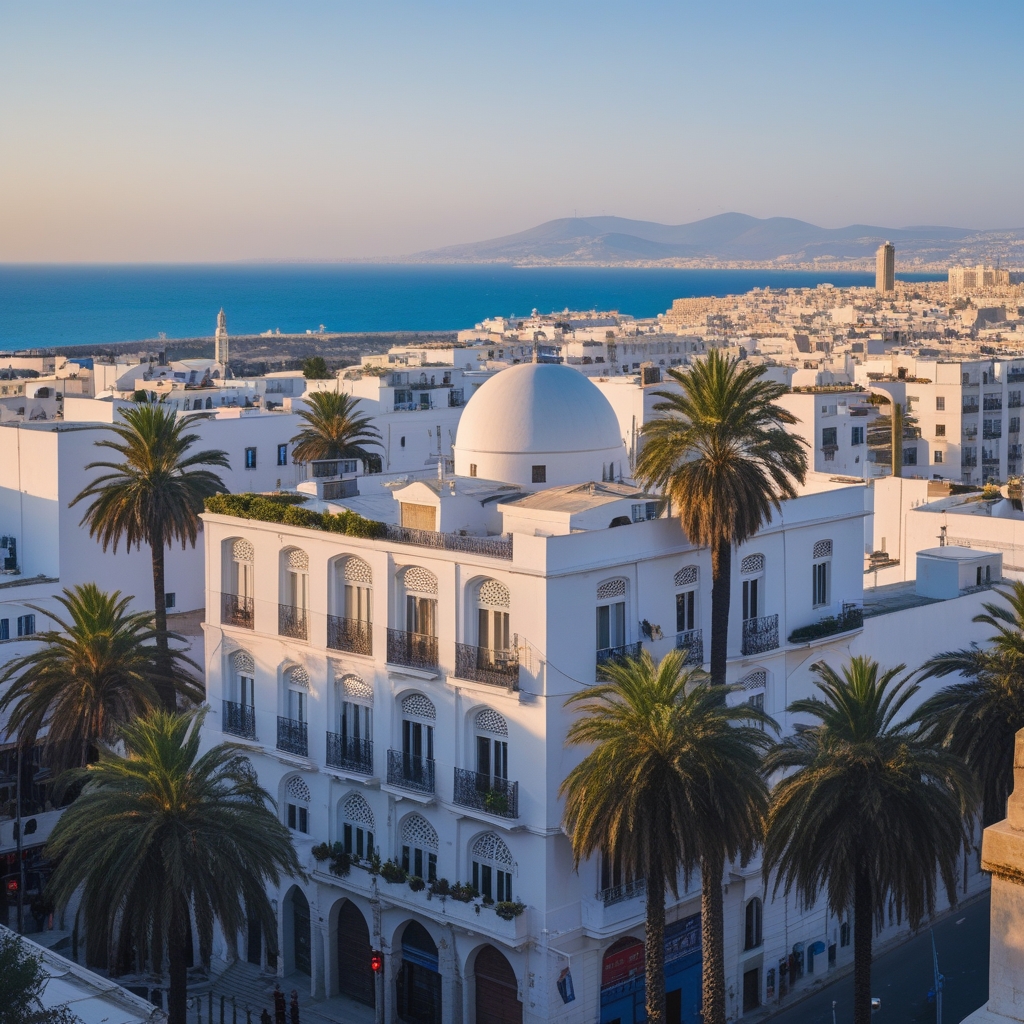
The capital city, Algiers, often called “Algiers the White,” sits gracefully on the Mediterranean coast, blending French colonial architecture with Islamic culture. Algeria’s official currency is the Algerian Dinar (DZD), and while the economy heavily relies on oil and gas exports, the country is gradually working to diversify its industries — especially in tourism, agriculture, and renewable energy.
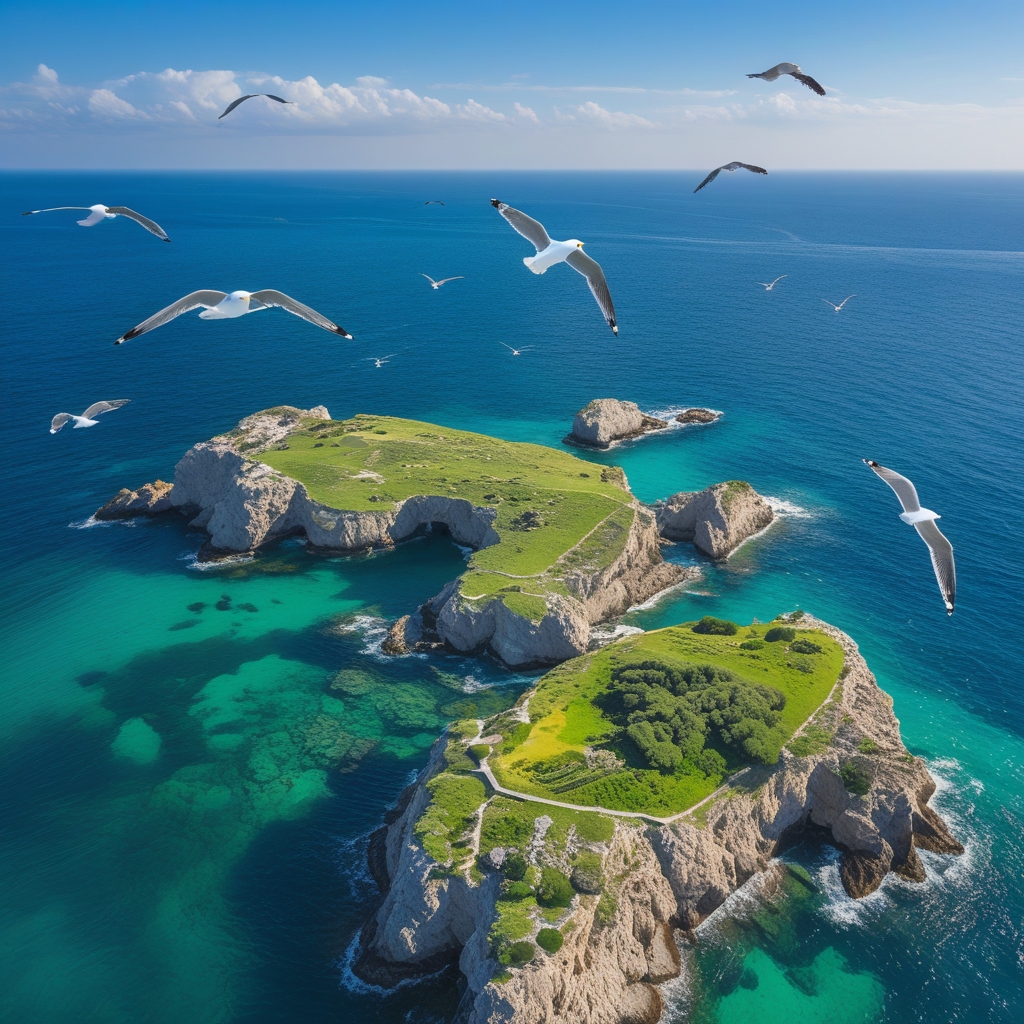
One of the lesser-known facts about Algeria is that, despite being a continental nation, it also has a few small Mediterranean islands. Among them, the Habibas Islands, located off the coast near Oran, are the most notable. These islands are protected marine reserves, famous for their pristine natural beauty, coral reefs, and bird habitats. They are a true hidden gem for nature lovers and marine researchers.
However, Algeria’s journey is not without challenges. The country faces significant economic pressure due to fluctuating oil prices and a youth unemployment rate that remains high. Many young Algerians seek better opportunities abroad. Political instability and limited press freedom have also slowed down progress and discouraged foreign investment.