Croatia: The Pearl of the Adriatic – Beauty, Growth, and Challenges

Croatia, a stunning gem nestled in Southeast Europe, is a land where history, culture, and natural beauty come together in perfect harmony. Bordered by the shimmering Adriatic Sea, this beautiful country is famous for its medieval towns, crystal-clear waters, and over 1,000 breathtaking islands. From the cobbled streets of Dubrovnik—often called the “Pearl of the Adriatic”—to the serene beauty of Hvar, Korčula, and Brač, Croatia truly feels like a slice of paradise on Earth.
The official currency of Croatia is the Euro (EUR), which replaced the Croatian Kuna in 2023 when the country joined the Eurozone. This change has made travel and trade more convenient for both locals and tourists, boosting Croatia’s economy and making it more accessible to international visitors.
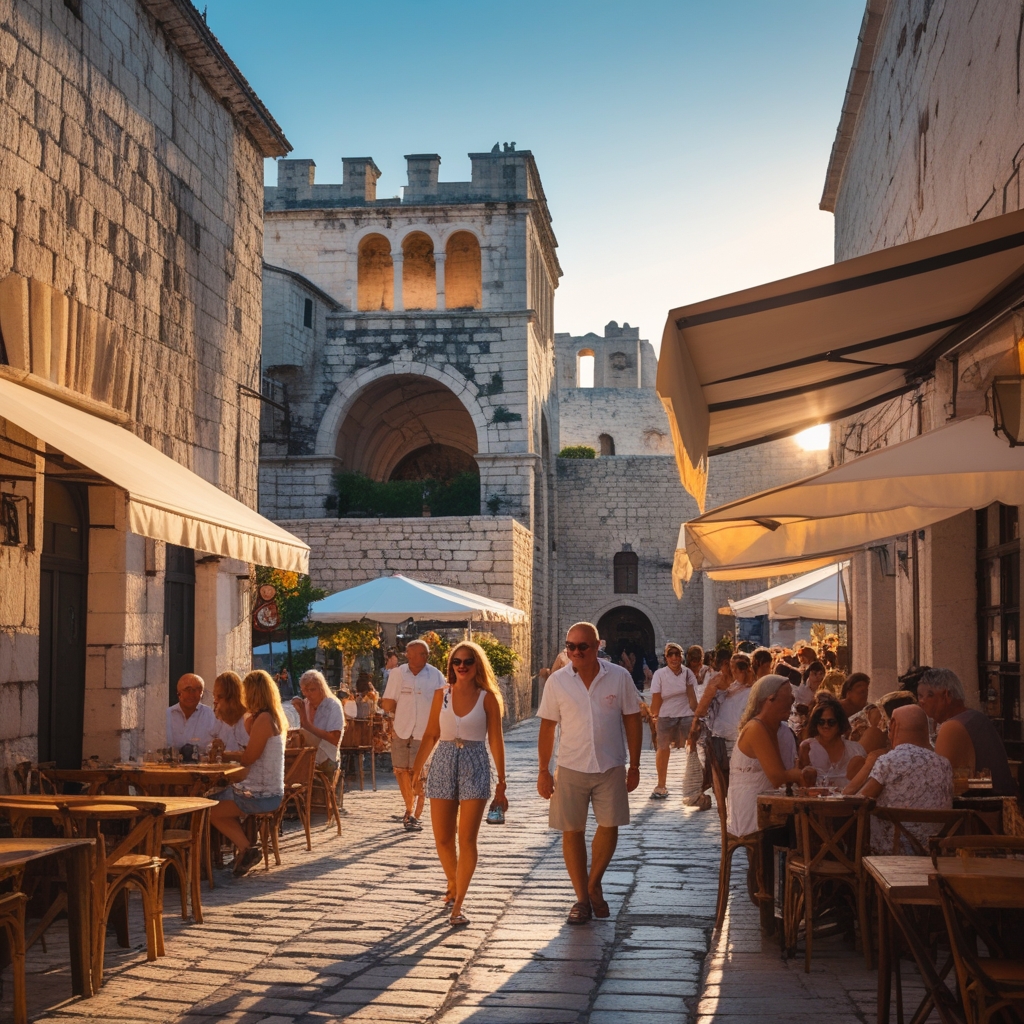
Tourism is the heart of Croatia’s economy, drawing millions every year to its UNESCO World Heritage sites, national parks like Plitvice Lakes, and its vibrant coastal cities. The Adriatic islands are a dream destination for sailors and nature lovers, each offering its own charm—from Hvar’s luxury lifestyle and nightlife to the peaceful olive groves and vineyards of Vis.
However, Croatia also faces its share of challenges. The country’s reliance on tourism makes it vulnerable to global economic shifts and seasonal fluctuations. Youth unemployment and population decline remain significant concerns, as many young Croatians seek better opportunities abroad. Additionally, while the Euro adoption has many benefits, it has also led to rising living costs, impacting local affordability.
Despite these hurdles, the spirit of Croatia is unshakable. The country continues to thrive through its resilient people, rich traditions, and efforts to expand sustainable tourism and innovation. Whether you’re exploring ancient Roman ruins in Split or sailing through the turquoise waters of the Dalmatian coast, Croatia promises an unforgettable experience filled with warmth, beauty, and authenticity.